
Your information Source for Health, Nutrition, Fitness, Wellness and Healthy Recipes

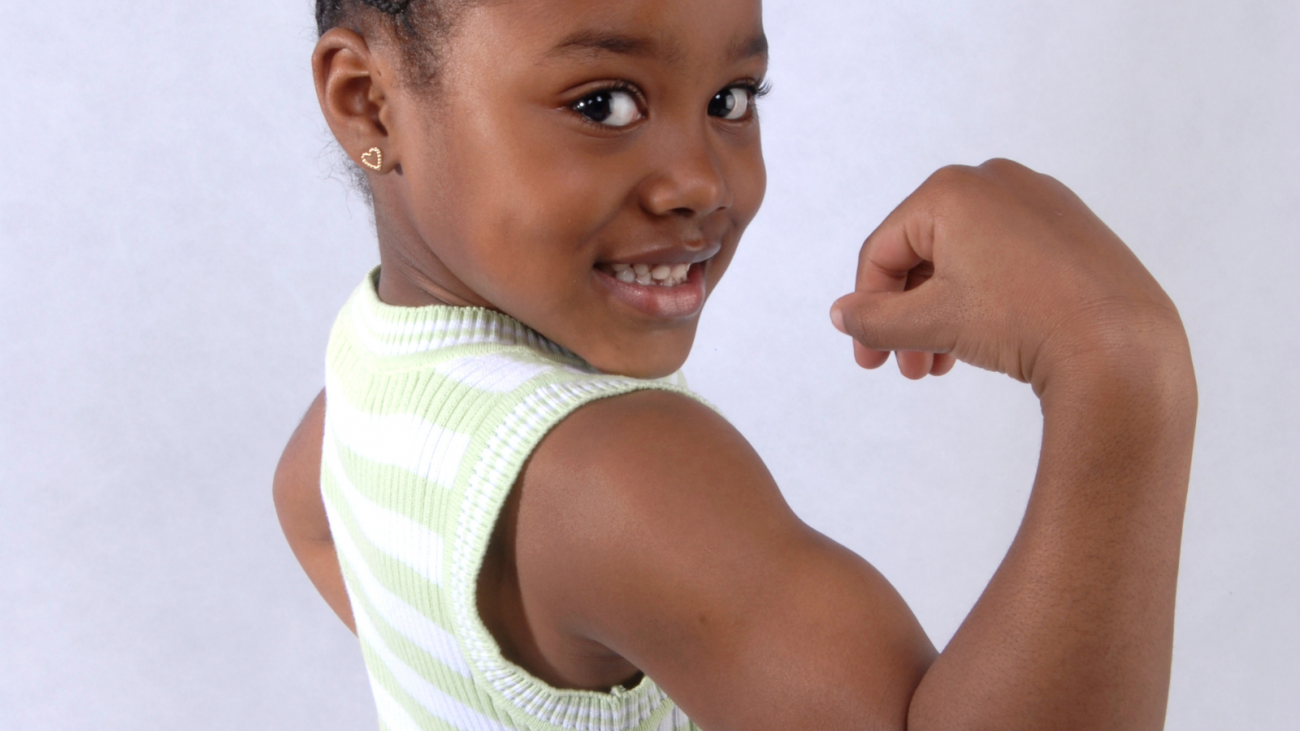
What Is Strength Training?
Strength training (also called resistance training)
is a way to build muscles and strength using free weights, kettlebells, weight
machines, resistance bands, or a person's own weight. Kids and teens may want
to strength train to improve sports performance, treat or prevent injuries, or
improve appearance.
What Are the Benefits of Strength Training?
Strength training can help kids and teens build strong
muscles. With a well-designed and supervised program, they can:
Who Can Do Strength Training?
It’s hard to say at what age kids can start strength
training. Children who are the same age can have very different skills and
maturity levels. In general, kids and teens who are ready to play organized sports usually
can begin some kind of resistance program. Young children can safely start with
body weight exercises, such as hopping and jumping.
A child's strength-training program shouldn't be a
scaled-down version of an adult's weight training regimen. Kids should learn
proper technique, be supervised, have access to child-size machines and
equipment, and know how to use the equipment safely.
Trainers who work at schools, gyms, and in weight rooms know
about strength training. But look for someone who is a certified
strength-training expert and who has experience working with kids and teens.
Is Strength Training Safe?
Strength-training programs are generally safe. When done
properly, strength training won't hurt growing bones.
As with any sport, talk to your doctor before letting your
child start a strength-training program. Kids and teens with some medical
conditions — such as uncontrolled high blood pressure, seizures, heart
problems, and other conditions — need their doctor's OK before they start
strength training.
Also, your child should be closely supervised and using the
right equipment and proper technique.
When lifting weights or kettlebells, the best way to learn
proper technique is to do the exercises without any weight. When technique
is mastered, weight (or resistance, if using exercise bands) can be added, as
long as your child can comfortably do the exercise for 8–12 repetitions with
good form. Kids should not use machines and equipment designed for adults.
Most injuries happen because a child was goofing around and
not supervised. Muscle strains are the most common injury associated with
strength training.
Some young and professional athletes try anabolic steroids and
other performance enhancers to build muscles and improve athletic performance
and appearance. Talk to your child about the dangers of using these drugs.
What's a Healthy Routine?
Kids and teens interested in building strength should start
with light weights (or resistance) and one or two sets of 8–12 repetitions
rather than lifting a heavy load once or twice.
The amount of weight will depend on a child's age, size,
form, experience, and strength level. In general, if someone can't lift the
weight comfortably and with proper technique at least 8 times, the weight is
too heavy.
Preteens can get stronger without adding muscle bulk, which
won't happen until after they've gone through puberty.
After puberty, the male hormone testosterone helps build muscle in
response to weight training. Boys have more testosterone than girls do, so they
get bigger muscles.
The focus of each training session should be on proper form
and technique, with qualified instruction and supervision.
Strength Training Program Guidelines
Here are some guidelines when considering strength-training
programs:
Strength training is one part of a total fitness program.
Kids and teens should get at least 1 hour a day of moderate to vigorous
physical activity every day, including aerobic (cardio) activity, like running,
biking, and playing outside. Also, be sure you child drinks plenty of liquids
and eats a healthy diet for better performance and recovery.