
Your information Source for Health, Nutrition, Fitness, Wellness and Healthy Recipes

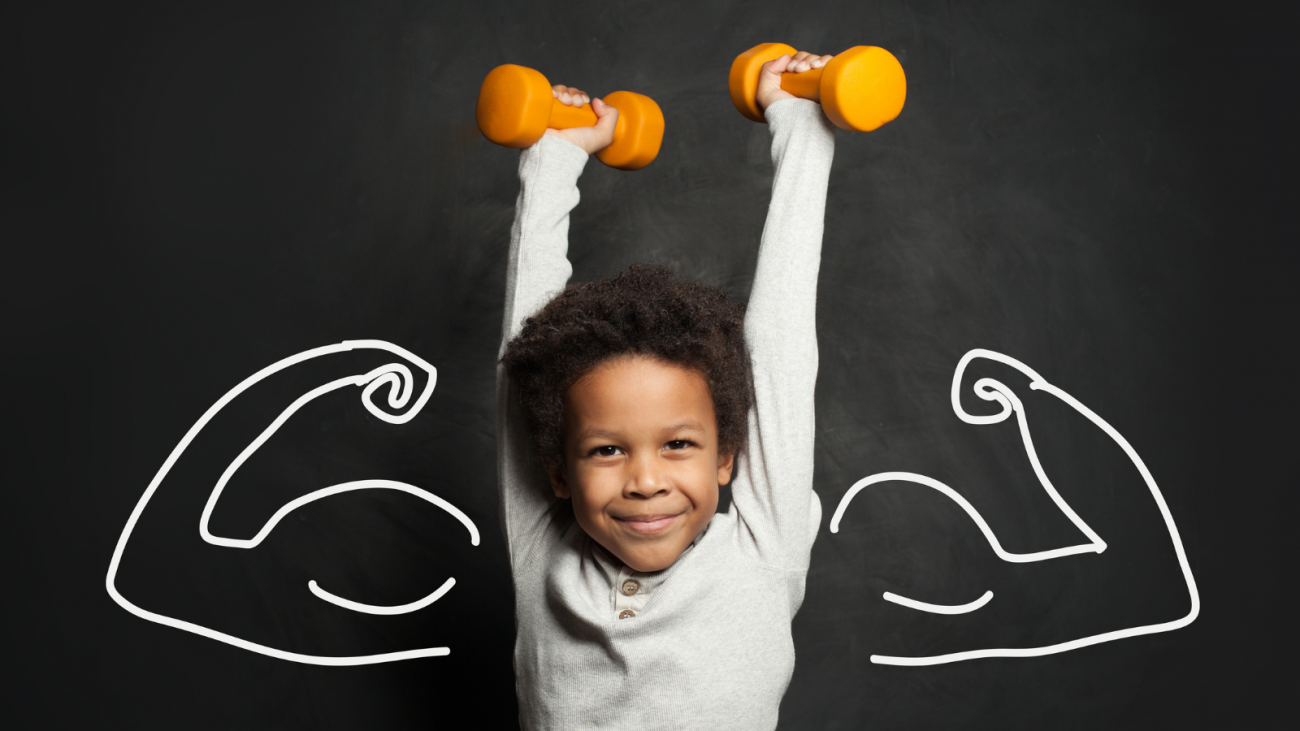
It's easy to take our bones for granted. After all, they do
all their work behind the scenes. But when a bone breaks, it's a big deal.
Bones take time to heal, even for kids.
Having strong bones in childhood is a good start for bone
health throughout life. We build almost all our bone density as kids and teens.
People are mostly finished building bone around age 20. As adults, we still
replace old bone with new bone, but more slowly. As older adults, our bones get
weaker over time.
Kids with strong bones have a better chance of avoiding bone
weakness later in life. Parents can help by making sure kids get the 3 key
ingredients for healthy bones: calcium, vitamin D, and exercise.
1. Give Kids High-Calcium Foods
Calcium is a mineral that's known for building healthy
bones. It's found in dairy products, beans, some nuts and seeds, and leafy
green vegetables. It's also often added to foods like orange juice or cereal.
How Can Parents Help?
Encourage your kids to eat high-calcium foods:
•
If your child eats dairy, a doctor or dietitian
can tell you how much to serve based on age. Younger kids may need 2–3 servings
of low-fat dairy each day, while older kids may need 4 servings.
•
Look to replace common foods with high-calcium
versions. Buy almond butter instead of peanut butter or calcium-fortified
orange juice instead of regular juice.
2. Make Sure Kids Get Enough Vitamin D
Vitamin D (sometimes labeled as vitamin D3) helps the body
absorb calcium. We get vitamin D from foods like fatty fish, mushrooms, liver,
and eggs, and from exposure to sunlight. Most kids don't eat many foods that
naturally contain vitamin D, and they're often inside and not exposed to the
sun during cold weather.
To help people get enough vitamin D, many foods have vitamin
D added, like cereals, orange juice, and yogurt. Milk also has added vitamin D,
including some soy, almond, and oat milks. Because vitamin D is so important,
health care providers recommend kids take a vitamin D supplement if they don't
get enough in their diet.
Babies who drink only breast milk or less than 32 ounces of
formula each day need extra vitamin D. Talk to the doctor about giving your
baby a vitamin D supplement.
How Can Parents Help?
Ask your health care provider how much vitamin D your child
needs and the best way to get it.
Protect your child's skin with sunscreen, clothing, and
shade. While kids get vitamin D from sun exposure, too much can raises their
risk for skin cancer later in life. Be sure to protect their skin when outdoors
to prevent this and other problems.
3. Encourage Kids to Exercise
Our muscles get stronger the more we use them. The same is
true for bones.
Activities like walking, running, jumping, and climbing are
especially good for building bone. They are called weight-bearing activities
because they use the force of our muscles and gravity to put pressure on our
bones. The pressure makes the body build up stronger bone.
Activities like riding a bike and swimming don't create this
weight-bearing pressure. They are great for overall body health, but kids also
need to do some weight-bearing exercises.
How Can Parents Help?
Make sure your child gets at least an hour of physical
activity each day, including weight-bearing exercises.
Everyone needs to get enough calcium, vitamin D, and
exercise. But these are really important for kids — especially when they're
growing during the preteen and teen years.