Your information Source for Health, Nutrition, Fitness, Wellness and Healthy Recipes

Choosing healthy snacks and drinks for your children can be
hard. There are many options. What is healthy for your child may depend on
specific health conditions they have.
Snacks
Fruits and vegetables are good choices for healthy snacks.
They are full of vitamins and do not have added sugar or sodium. Some types of
crackers and cheeses also make good snacks. Other healthy snack choices
include:
•
Apples (fresh and cut into wedges or dried
without added sugars)
•
Bananas
•
Trail mix with raisins and unsalted nuts
•
Chopped fruit dipped in yogurt
•
Raw vegetables with hummus
•
Carrots (regular carrots cut into strips so they
are easy to chew, or baby carrots)
•
Snap peas (the pods are edible)
•
Nuts (if your child is not allergic)
•
Dry cereal (if sugar is not listed as one of the
first 2 ingredients)
•
Pretzels
•
String cheese
Put snacks in small containers so they are easy to carry in
a pocket or backpack. Use small containers to help avoid overly large portions.
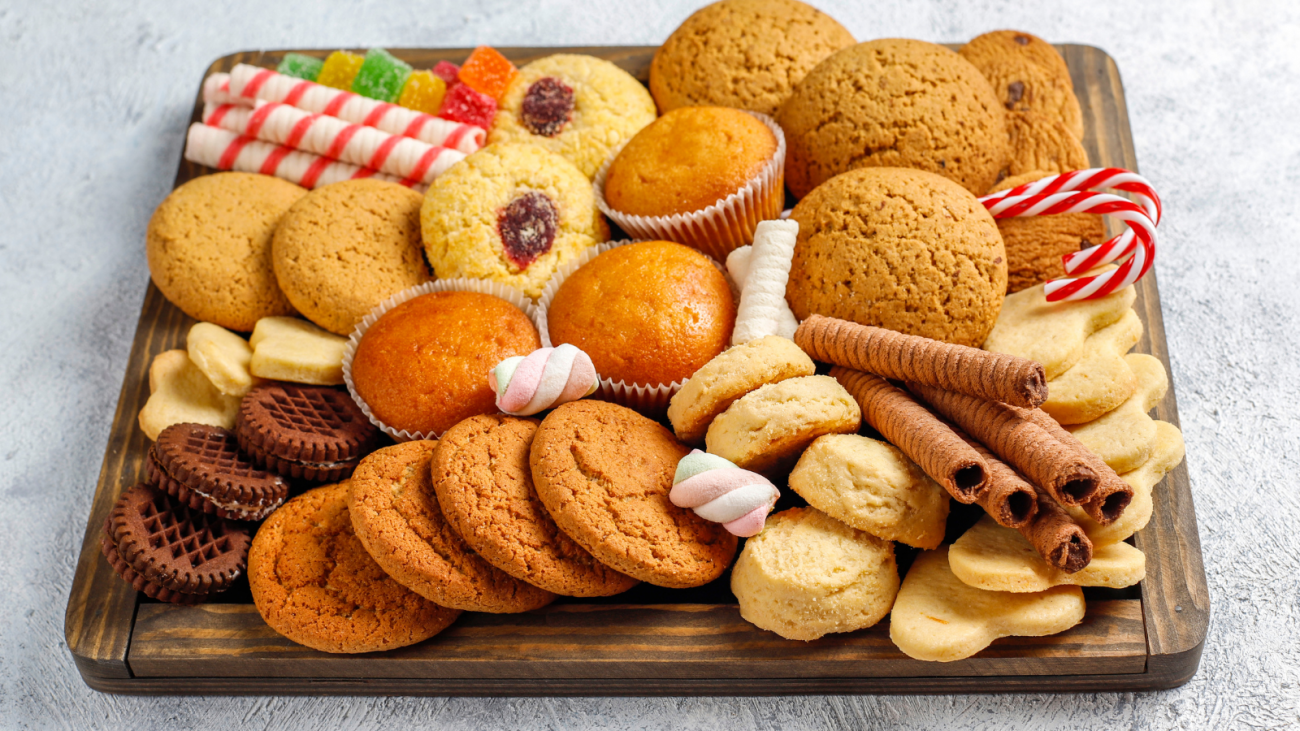
Avoid having "junk food" snacks like chips, candy,
cake, cookies, and ice cream every day. It is easier to keep kids away from
these foods if you do not have them in your house and they are a special treat
instead of an everyday item.
It is OK to let your child have an unhealthy snack once in a while. Children may try to sneak unhealthy food if they are never allowed to have these foods. The key is balance.
Other things you can do include:
•
Replace your candy dish with a fruit bowl.
•
If you have foods like cookies, chips, or ice
cream in your house, store them where they are hard to see or reach. Move
healthier foods to the front of the pantry and refrigerator, at eye level.
•
If your family snacks while watching TV, put a
portion of the food in a bowl or on a plate for each person. It is easy to
overeat straight from the package.
If you are not sure if a snack is healthy, read the
Nutrition Facts label.
•
Look closely at the portion size on the label.
It is easy to eat more than this amount.
•
Avoid snacks that list sugar as one of the first
ingredients.
• Try to choose snacks without added sugar or added sodium.
Beverages
Encourage children to drink a lot of water. Avoid sodas,
sport drinks, and flavored waters.
•
Limit drinks with added sugar. These may be high
in calories and can contribute to undesired weight gain.
•
Prepare fruit infused water by steeping
strawberries or orange slices in a pitcher for a few hours. You will get a
flavored drink with virtually no sugar.
•
If needed, choose beverages with artificial
(man-made) sweeteners.
Even 100% juices can lead to undesired weight gain. A child
drinking a 12-ounce (360 milliliters) orange juice every day, in addition to
other foods, can gain up to 15 excess pounds (7 kilograms) per year in addition
to weight gain from normal growth patterns. Try diluting juices and flavored
drinks with water. Start by adding only a little water. Then slowly increase
the amount.
•
Children ages 1 to 6 should drink no more than 4
to 6 ounces (120 to 180 milliliters) of 100% fruit juice a day.
•
Children ages 7 to 18 should drink no more than
8 to 12 ounces (240 to 360 milliliters) of 100% fruit juice a day.
Children, ages 2 to 8, should drink about 2 cups (480 milliliters) of milk a day. Children older than 8 should have about 3 cups (720 milliliters) a day. It may be helpful to serve milk with meals and water between meals and with snacks.
Other Tips to Keep in Mind
•
The size of a snack should be the right size for
your child. For example, give one half a banana to a 2-year-old and a whole
banana to a 10-year-old.
•
Pick foods that are high in fiber and low in
added salt and sugar.
•
Offer children fruits, vegetables, and
whole-grain snacks instead of sweets.
•
Foods that are naturally sweet (such as apple
slices, bananas, bell peppers, or baby carrots) are better than foods and
drinks that contain added sugar.
•
Limit fried foods like French fries, onion
rings, and other fried snacks.
•
Talk to a nutritionist or your family's health
care provider if you need ideas for healthy foods for your family.