Your information Source for Health, Nutrition, Fitness, Wellness and Healthy Recipes

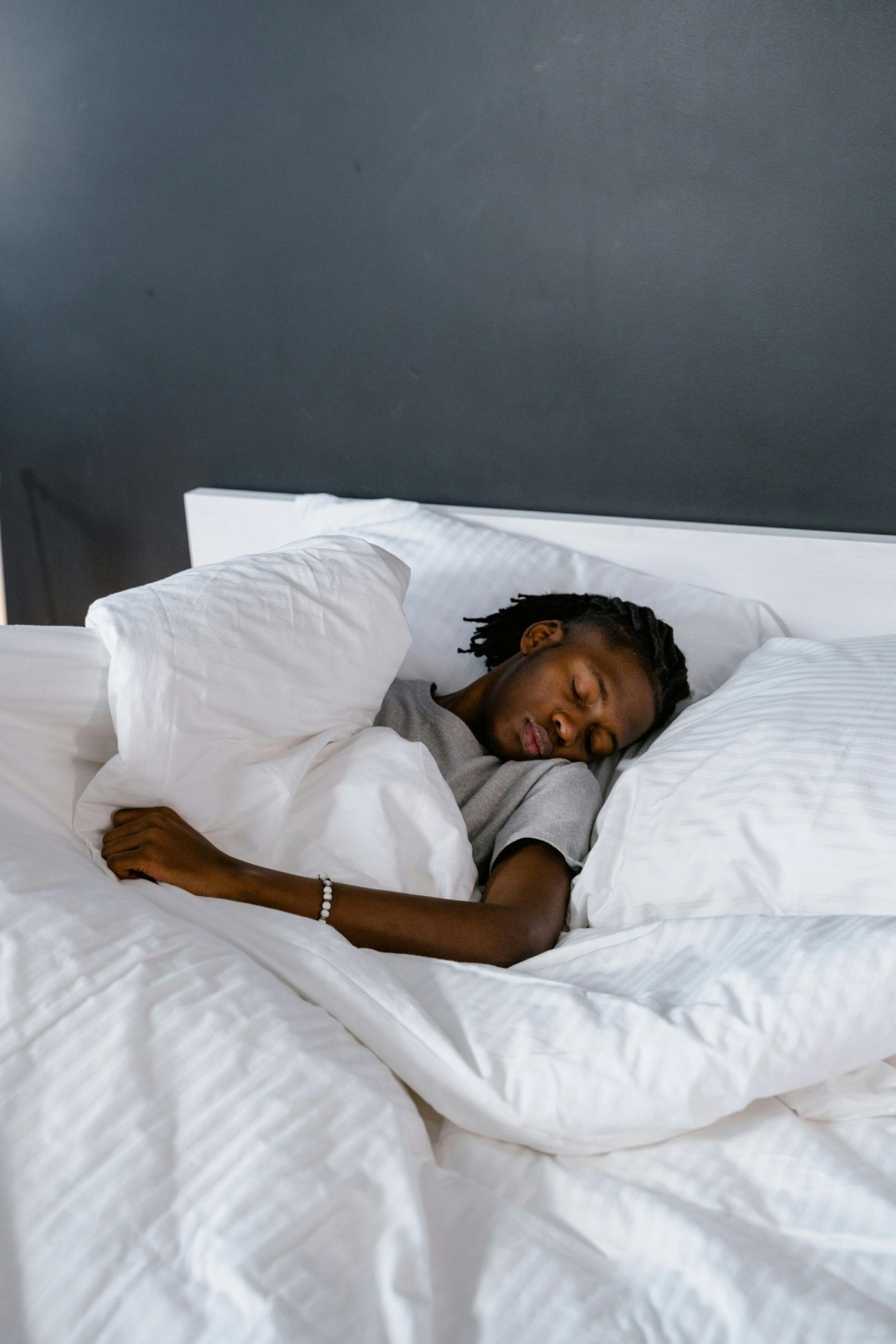
While you are sleeping your brain and body functions are
still active. Sleep is a natural process that helps your body restore energy,
supports learning and memory, and keeps you healthy.
During sleep, your brain cycles through different stages of
non-rapid eye movement (non-REM) sleep and rapid eye movement (REM) sleep.
Non-REM sleep has three stages that range from light to deep sleep, while REM
sleep is when most dreaming occurs. During each stage, your brain waves,
breathing, heart rate, and body temperature change throughout the night.
Certain phases of sleep help you:
You need all the stages to get a healthy sleep.
How much sleep do I need?
The amount of sleep you need depends on your age, lifestyle,
health, and sleep patterns. The general recommendations for sleep are:
During puberty, teenagers' biological clocks shift. They
tend to fall asleep later and wake up later, which can conflict with the early
school start times. This is one reason many teenagers don't get enough sleep.
Some people think adults need less sleep as they age, but
there is no evidence to support this. However, older adults often get less
sleep or spend less time in the deep, restful stages of sleep. They also wake
up more easily.
It's not just the number of hours of sleep you get that
matters. The quality of the sleep you get is also important. People whose sleep
is frequently interrupted might not get enough of certain stages of sleep. If
you are wondering whether you are getting enough sleep, including quality
sleep, ask yourself:
If you answered yes to any of these questions, you may need
to improve your sleep habits.
What are the health effects of not getting enough sleep?
Sleep is important for overall health. When you don't get
enough sleep (sleep deprivation), it does more than just make you feel tired.
It can impair your ability to think clearly, react quickly, and form memories.
This increases your risk of making mistakes, taking risks, or getting into
accidents.
Sleep deprivation can also affect your mood, leading to:
It can also affect your physical health. Not getting enough
sleep, or getting poor-quality sleep, increases your risk of:
Not getting enough sleep can also lower your levels of
hormones that help children grow and help the body build muscle, repair tissue,
and fight infections.
Sleep deprivation also magnifies the effect of alcohol. A
tired person who drinks too much alcohol will be more impaired than a
well-rested person who drinks the same amount.
How can I get better sleep?
You can take steps to improve your sleep habits. First, make
sure that you allow yourself enough time for sleep. Getting enough sleep each
night may help you feel happier and more productive during the day.
To improve your sleep habits, it also may help to:
If you are a shift worker, getting good sleep can be more
challenging. You may also want to: