
Your information Source for Health, Nutrition, Fitness, Wellness and Healthy Recipes

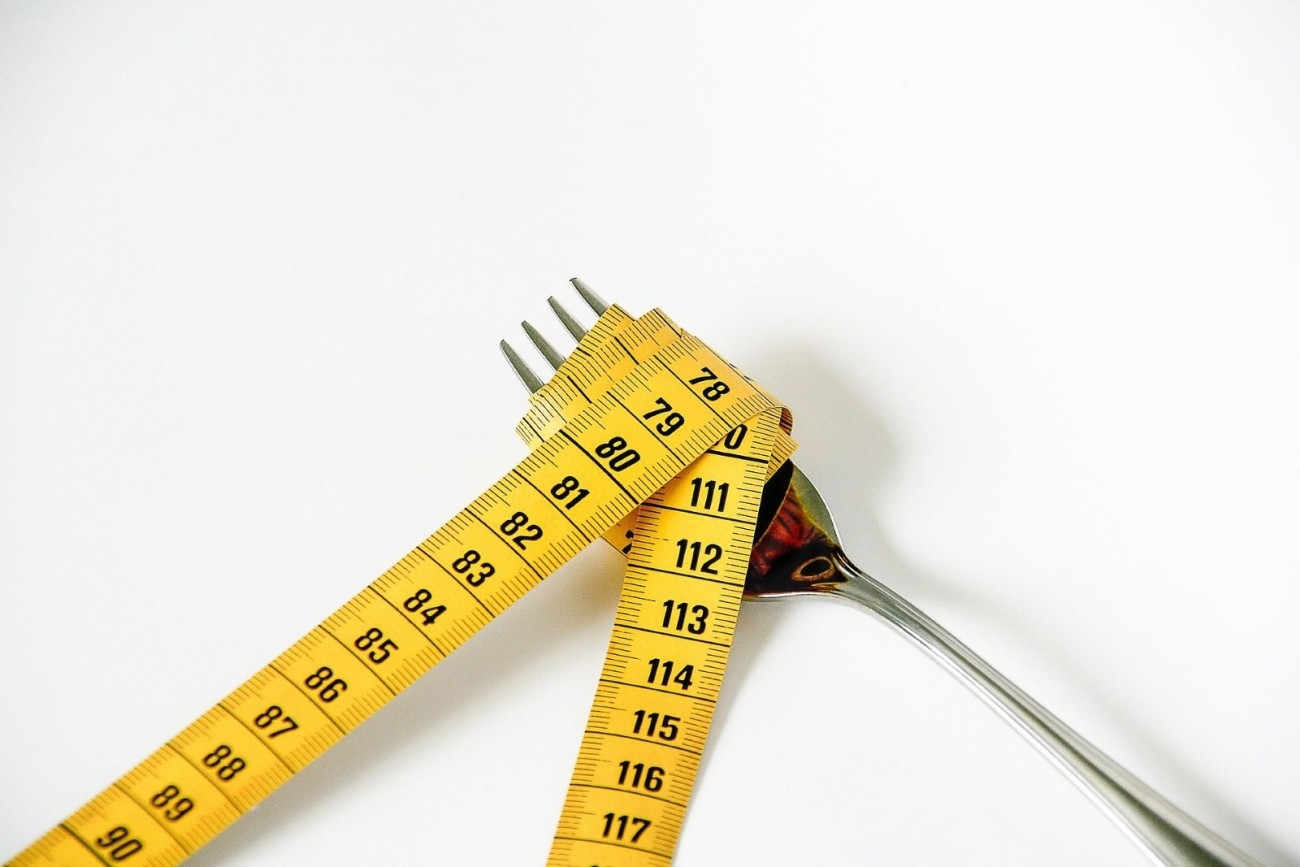
Body weight is the total mass of your body. Keeping track of your weight is one way to check for changes in your health, but it can't tell you the whole story. That's because your weight includes muscle, bone, fat, and water. Also, everyday factors can play a role in your weight, such as your:
A healthy weight is more than just a number on the scale. It's about feeling good, having energy, and lowering your risk of disease. Your health care provider can help you determine a healthy body weight based on several factors. These include your:
Having a healthy body weight may lower your chance of developing certain health problems. Carrying too much or too little weight can affect your health. Ranges of body weight include:
Body weight needs can be different at different ages. For children, weight and growth are tracked over time based on their age. For older adults, keeping muscle and strength is key, and sudden weight loss should always be checked by your provider.
Talk to your provider if you're losing or gaining weight without trying. A sudden, unexpected change in weight can be a sign of a medical problem.
Causes for sudden weight loss can include:
Causes for sudden weight gain can include:
Maintaining a healthy body weight can improve energy, sleep, and overall wellbeing. Talk to your provider about what a healthy weight would be for you. If they recommend that you gain or lose weight, they might refer you to a dietician for support. A dietician is a professional who has special training to help you learn the best way to eat.
Focus on your health, not just the number on the scale. With daily healthy habits and self-compassion, you can support lasting improvements in your overall wellbeing.